Clearing out a parent's house in Memphis
This is the hardest version of a cleanout, and it is almost never really about the junk. A practical order of operations, so the logistics don't add to it.
1. Documents first, before anything moves
Deeds, titles, insurance policies, military discharge papers, savings bonds, tax records, bank statements. These are the items that are catastrophic to lose and easy to throw away, because they look like paper. Do a documents-only pass through the whole house before a single box leaves.
2. Then the hiding places
People of a certain generation did not keep everything in a safe. Check freezers, coat pockets, the backs of drawers, taped underneath drawers, inside book jackets, the pages of family Bibles, coffee cans in the garage, and under mattresses. Cash and jewelry turn up in all of them, routinely.
3. Let the family take longer than seems necessary
The most common regret after an estate cleanout isn't about money — it's the small thing nobody thought to claim. Give everyone a defined window and be explicit that after it closes, the rest goes.
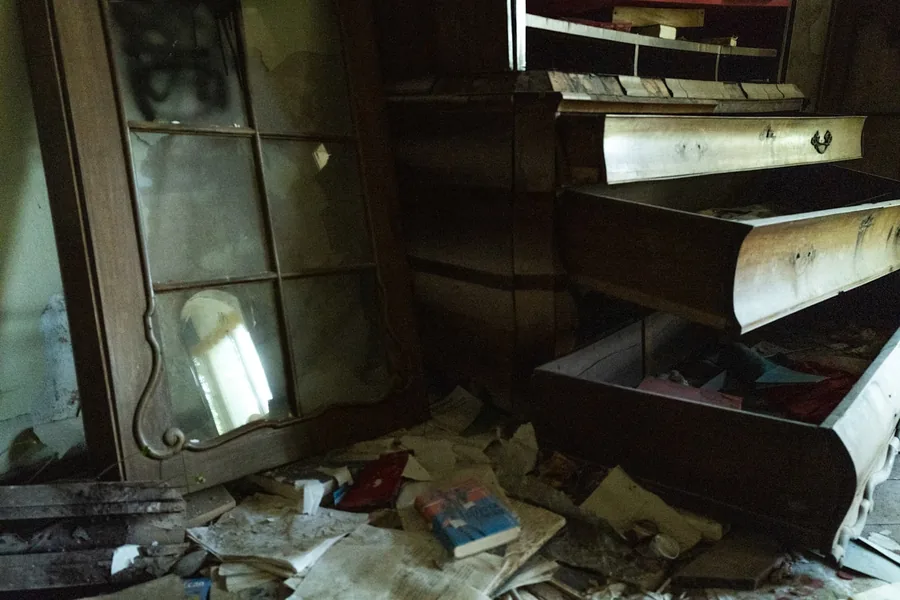
4. Separate sale from donation from disposal
Estate sale companies and auction houses want to see the house before it is picked over — bring them in before you clear, not after. What doesn't sell gets donated. What doesn't donate gets hauled. Doing it in that order usually costs less than hauling everything.
5. Then clear the volume
By this point, what's left is genuinely just volume, and it goes in one or two visits.
If there is a closing date
Say so on the first call. A cleanout that has to be done by a fixed date is scheduled differently, and the date matters more than the quote does. Probate timelines, out-of-state family and a listing agreement all push the same direction: start earlier than feels necessary.